


Snæfellsnes

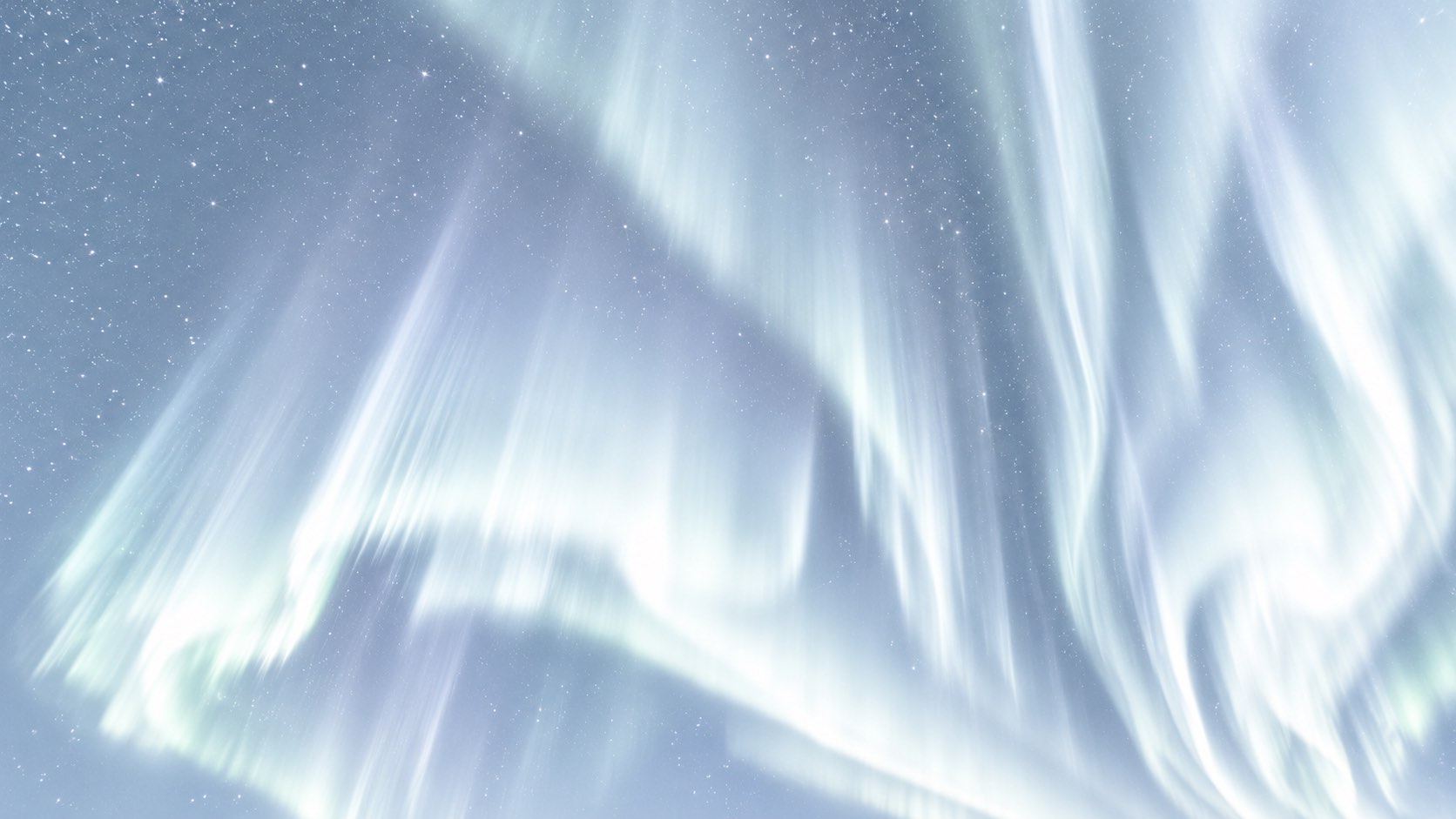
Northern lights in Iceland
Control the Sky

The Cozy way to chase the lights
An aurora trip is about the whole evening. The anticipation over dinner. Another look outside. The moment someone says, “Come and see this.” A camper gives you your own place in that story.
Cook dinner, settle in and enjoy the time between sky checks. Heating, bedding and a kitchen make the featured campers a welcoming base.
Choose the landscapes you came to see, with your transport and accommodation together. Plan around open campsites and the conditions ahead.
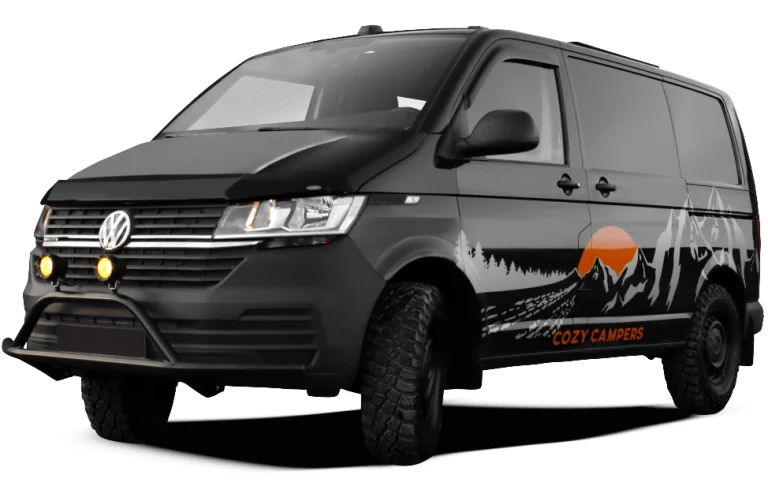
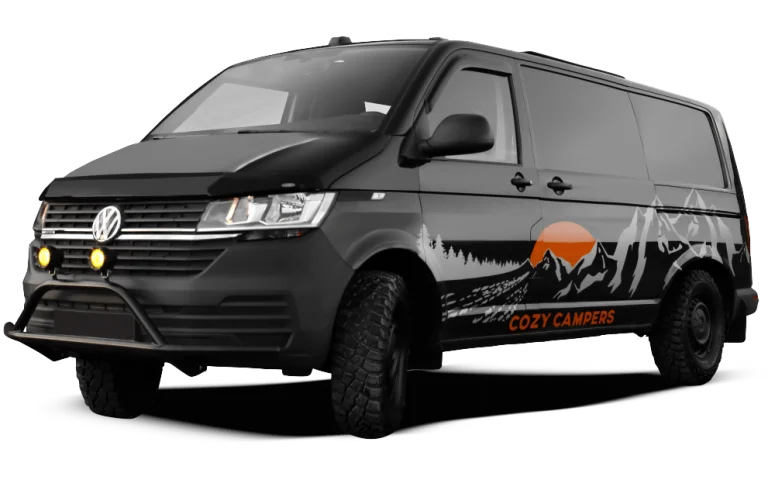
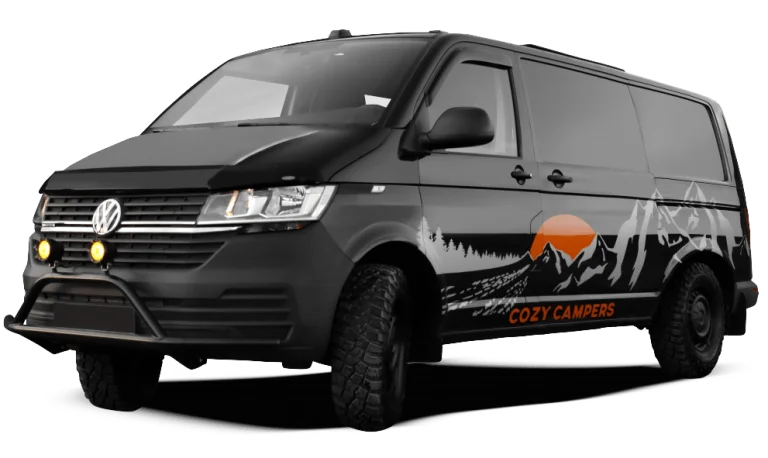
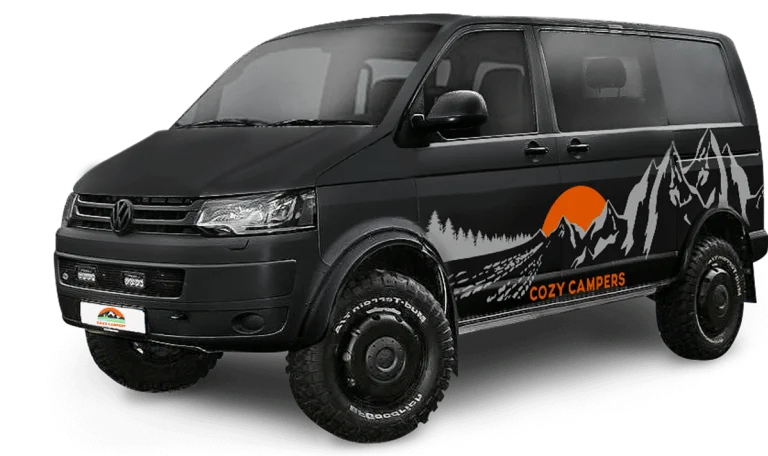
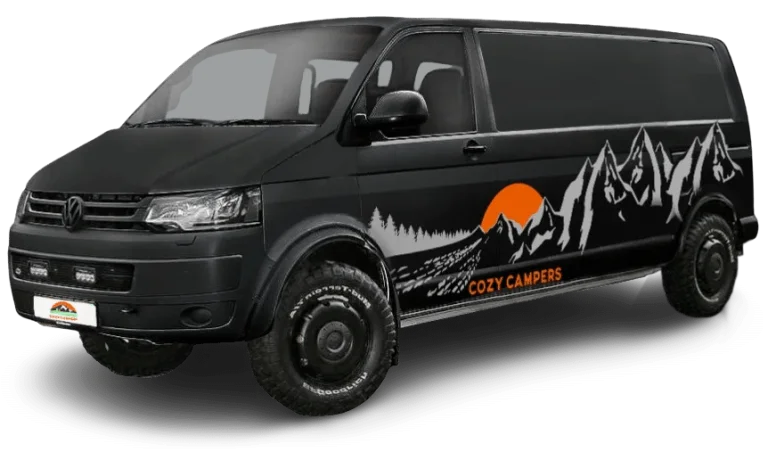
Our featured Highlanders have panoramic sky roofs. A lovely detail for people who keep finding themselves looking up.
Lowest price per day for a 7-day rental in the next 12 months, booked today. Includes VAT, CDW insurance and unlimited km. Your price depends on your dates and rental length.
Made for the evenings you came for
You have chosen your camper. You have a few places in mind. Now for the question that makes the evening interesting: what are the conditions like nearby?
Use your companion while safely parked. Check current road and weather information before setting out. Forecasts help you plan; sightings are never guaranteed.
Check when the sky becomes dark enough at your location. Sunset is the start of a transition, so the useful viewing window changes with your dates, especially near the edges of the season.
Even a promising aurora forecast needs a view through the clouds. Check the forecast for the hours you are considering, including different cloud layers where available, and compare it with the sky outside.
The Kp index describes planetary geomagnetic activity over three-hour periods. It helps explain the wider picture, but it is not a percentage chance of seeing aurora from your campsite. Read it alongside darkness and cloud.
A different kind of Iceland, every season
Iceland’s darker months bring aurora opportunities, broadly from September through April. Think about the days you want as well as the nights.
Autumn gives you more daylight for exploring than the deepest winter months, with darkness returning to the evenings. A lovely balance for travellers who want to fill their days with Iceland and keep an eye on the sky after dinner.
A balance of daytime exploring and evenings outdoors.
The longest nights of the year give you the most dark hours to watch the sky, and the low sun keeps the short days golden. Plan shorter drives, leave room for winter roads and enjoy the evenings in your camper.
The most dark hours of the year.
The days grow longer quickly, so there is time to explore, while the nights stay dark enough for the lights. The weeks around the March equinox often bring strong activity.
Long days for exploring, with dark nights after them.
94 places. A thousand ways to make it yours.
A mountain silhouette. Icebergs on a glacier lagoon. A waterfall under the lights. Start with the places you would love to explore.
Snæfellsnes

Southeast Iceland

South coast
94 places across 12 regions. Open a region to explore.
On the tip of Seltjarnarnes, the darkest spot in town.
64.16° N · 22.02° W
A lake in the hills above Hafnarfjörður.
64.03° N · 21.96° W
Red pseudocraters at the edge of Heiðmörk, near the city.
64.09° N · 21.76° W
A lake behind Úlfarsfell, screened from some of the city's light.
64.13° N · 21.66° W
At the tip of the Reykjanes peninsula, near the airport.
64.08° N · 22.69° W
On the lava coast at the far end of the peninsula.
63.82° N · 22.70° W
A footbridge over the rift between two tectonic plates.
63.87° N · 22.68° W
A dark lake on the Reykjanes peninsula.
63.93° N · 21.99° W
The steaming hot springs at Seltún.
63.90° N · 22.06° W
An isolated lighthouse on the rocky outer coast.
63.97° N · 22.75° W
A rural church by the sea with a pond and parking.
64.02° N · 22.30° W
A wide valley far from town lights.
64.26° N · 21.13° W
64.04° N · 20.89° W
With a geothermal spa to warm up in.
64.21° N · 20.73° W
The great waterfall at the end of the Golden Circle.
64.33° N · 20.12° W
A quiet village with open sky over the sea.
63.86° N · 21.15° W
A waterfall in a quiet volcanic valley.
64.12° N · 19.85° W
A geothermal valley by the ski lodge on Hellisheiði.
64.02° N · 21.40° W
Waterfalls running out of a lava field.
64.70° N · 20.98° W
A crater by the Ring Road with a wide view.
64.77° N · 21.53° W
The lighthouses on the point at Akranes.
64.31° N · 22.09° W
A rest area by Route 1 in Norðurárdalur, below Holtavörðuheiði.
64.87° N · 21.21° W
A rebuilt saga hot pot at Laugar in Sælingsdalur, just off Route 60.
65.25° N · 21.81° W
The classic mountain and waterfall view.
64.94° N · 23.31° W
The black church on the lava field.
64.82° N · 23.38° W
Sea cliffs facing south.
64.77° N · 23.62° W
A black pebble beach under Snæfellsjökull.
64.75° N · 23.90° W
The island lighthouse above Stykkishólmur harbour.
65.08° N · 22.72° W
A beach with shore paths from the car park; keep clear of the seals.
64.81° N · 23.08° W
A lighthouse beside the national park's visitor area.
64.73° N · 23.80° W
A crater in the national park, with a staircase panorama.
64.85° N · 23.93° W
A small car park above a cove; watch from above the beach.
64.88° N · 23.99° W
Deep, dark fjords with very little light.
66.08° N · 23.14° W
Open sky towards the Arctic.
66.16° N · 23.25° W
A small village with hot tubs by the sea.
65.69° N · 21.44° W
A hot pot in the hillside above Tálknafjörður.
65.65° N · 23.89° W
A shore-side hot pool with fjord views, a short path from the car park.
65.58° N · 23.16° W
A beached shipwreck on the shore in Skápadalur.
65.52° N · 23.84° W
A waterfall at the head of the fjord; the slopes hide the low sky.
65.73° N · 23.20° W
A seal-viewing car park with benches by the shore.
65.99° N · 22.82° W
A rest area by Route 60 under the Vaðalfjöll peaks.
65.56° N · 22.10° W
A point in Ísafjarðardjúp with a hotel and an outdoor geothermal pool.
65.93° N · 22.43° W
A small village on Dýrafjörður.
65.88° N · 23.49° W
The sea stack on Vatnsnes, on a gravel road.
65.61° N · 20.64° W
The turf farm in Skagafjörður.
65.61° N · 19.50° W
A signed aurora viewpoint above Blönduós, open to the north.
65.67° N · 20.28° W
A rural cove with basalt formations and a lighthouse.
66.01° N · 20.42° W
A headland by Skagaströnd harbour, open to the north.
65.83° N · 20.32° W
An aurora parking area north of Sauðárkrókur, looking across the fjord.
65.88° N · 19.74° W
The folk museum's car park on the shore of Hrútafjörður.
65.25° N · 21.11° W
A car park by Route 1 among the Vatnsdalshólar hills.
65.50° N · 20.40° W
A country church by Route 1 at the foot of Vatnsskarð.
65.52° N · 19.81° W
A historic battle site with a car park by Route 1 in Skagafjörður.
65.50° N · 19.29° W
Lava fields and dark skies.
65.60° N · 17.00° W
Dark lava formations by Lake Mývatn.
65.59° N · 16.91° W
The waterfall between Akureyri and Mývatn.
65.68° N · 17.55° W
The fjord outside Akureyri.
65.74° N · 18.09° W
A forest on the edge of Akureyri.
65.65° N · 18.08° W
A lake in the hills above Húsavík.
66.03° N · 17.28° W
An empty fjord between the two tunnels to Siglufjörður.
66.11° N · 18.82° W
A signed aurora parking area outside the tunnel by Siglufjörður.
66.18° N · 18.92° W
A historic site on the shore north of Akureyri.
65.78° N · 18.17° W
Pseudocraters on the southern shore of Mývatn.
65.57° N · 17.03° W
A rocky lakeside peninsula with lava pillars.
65.58° N · 16.96° W
A rest area on the Arctic Coast Way outside Húsavík.
65.97° N · 17.38° W
A viewing platform above the Tjörnes coast, across Öxarfjörður.
66.14° N · 16.95° W
A horseshoe canyon in Vatnajökull National Park.
66.00° N · 16.51° W
A stone monument on the hill above Raufarhöfn.
66.46° N · 15.96° W
Iceland’s highest farm, under very dark skies.
65.37° N · 15.88° W
A crater on a gravel track 1 km off Route 1, east of Mývatn.
65.62° N · 16.26° W
The long lake by Egilsstaðir.
65.18° N · 14.62° W
Iceland’s largest forest.
65.09° N · 14.74° W
A nature reserve on the point by Eskifjörður.
65.05° N · 14.01° W
A lighthouse and black beach between Höfn and Djúpivogur.
64.40° N · 14.54° W
An Atlantic shore with a sea stack outside Vopnafjörður.
65.76° N · 14.58° W
A waterfall beside Route 1 in Jökuldalur, with a car park.
65.33° N · 15.07° W
A small lighthouse on the open coast between Breiðdalsvík and Djúpivogur.
64.73° N · 13.99° W
A protected rock face on Berufjörður, with a car park by Route 1.
64.71° N · 14.31° W
The glacier lagoon and Diamond Beach.
64.05° N · 16.18° W
A quieter glacier lagoon west of Jökulsárlón.
64.02° N · 16.40° W
Black sand dunes below Vestrahorn.
64.25° N · 14.97° W
In Vatnajökull National Park.
64.02° N · 16.97° W
A rest area with information boards by Route 1 at Skálafell.
64.24° N · 15.68° W
A rest area under Öræfajökull, between Skaftafell and Hof.
63.94° N · 16.79° W
A small waterfall just outside Hella.
63.82° N · 20.42° W
The waterfall you can walk behind.
63.62° N · 19.99° W
A wide waterfall under a dark sky.
63.53° N · 19.51° W
The black sand plain with the plane wreck; stay by the car park at night.
63.49° N · 19.36° W
The arch and lighthouse near Vík.
63.40° N · 19.13° W
Stay well back from the waves.
63.40° N · 19.04° W
A small village under a very dark sky.
63.79° N · 18.06° W
A waterfall with open views over the surrounding country.
63.72° N · 19.89° W
A viewing platform by Route 1, towards Mýrdalsjökull.
63.60° N · 18.46° W
A car park by Route 1 under the great cliff at the edge of Skeiðarársandur.
63.96° N · 17.48° W
No places match. Try another word, or show all regions.
Pick your view. Plan your night. Get to know your viewpoint in daylight and check roads, weather and access before returning. Plan an operating campsite or a confirmed overnight pitch separately from your viewing spot.
The best part starts after dinner
Check the weather, road conditions and your campsite. Choose a viewing spot you can get to comfortably.
Settle in, make something warm and keep an eye on the sky. Your evening has already begun.
Dress for being outside, allow your eyes to adjust and take a few photographs. Leave time to simply watch.
Return to your planned overnight spot, keep lights low around sleeping neighbours and enjoy having your bed close at hand.


A photograph worth bringing home
The whole night doesn’t have to fit inside a rectangle.
Use a supported night mode and keep the phone steady on a tripod or secure support while it captures. On supported iPhones, turning on the flash disables Night mode. Check the instructions for your model before the outing so you are not learning every setting in the dark.
Use a tripod, a 2-second timer or remote, and switch image stabilisation off. Start with the widest aperture (f/1.8–f/2.8), ISO 1600–3200 and 8–12 seconds, focus manually on a bright star, set the white balance to 3500–4000 K and shoot RAW. Fast-moving curtains blur at long exposures, so keep it under 5 seconds when the aurora is bright.
Good to know before you go
A little preparation leaves more room for the adventure.
A Highlander: every one has a sky roof that opens above the bed, 4x4 and an automatic gearbox. The Highlander I and II sleep two, the Highlander III three. The Budget Highlanders are our Highlanders that are three years old or more, at a lower price. All of them are heated for winter nights.
Yes. Our campers have Webasto heating, an airflow-heated bed and goose-down duvets. An extra battery, charged by the engine and a solar panel, keeps the heating and lights running without a plug.
Give yourself several nights. The aurora needs activity, darkness and a clear sky at the same time, and a camper lets you drive towards the clearer weather. The more evenings you have, the better your chances.
Often, if the sky is dark and clear and the campsite is away from town lights. The best views are from a dark spot with an open view to the north, so many travellers drive out for the evening and return afterwards: Icelandic law asks campervans to stay overnight at campsites, and your camper comes with a winter campsite map.
Yes, a bright aurora shows through moonlight, but a full moon washes out the fainter displays. The nights around the new moon give the darkest skies.
Not to the eye. A faint aurora often looks pale grey or whitish green, and only stronger displays show clear colours and movement. A camera collects light for longer, so photos often show more green than you saw.
No. The temperature makes no difference to the aurora itself. Clear nights are often cold nights, which is why the two go together, but a mild night with a clear sky is just as good.
Not in midsummer: the nights are too bright. The aurora season in Iceland runs from late August to mid-April, whenever the sky is dark and clear.
Particles from the sun, carried by the solar wind, are guided by Earth’s magnetic field towards the polar regions. When they hit oxygen and nitrogen high in the atmosphere, the gases give off light: green and red from oxygen, blue and purple from nitrogen.
Your next great Icelandic story
Choose your Cozy camper, set aside a few Icelandic evenings and start planning the places you would love to see. Your northern lights adventure starts with a set of keys.
Clear skies and happy hunting
Back to the top